Projects

Biomass and Production Forests
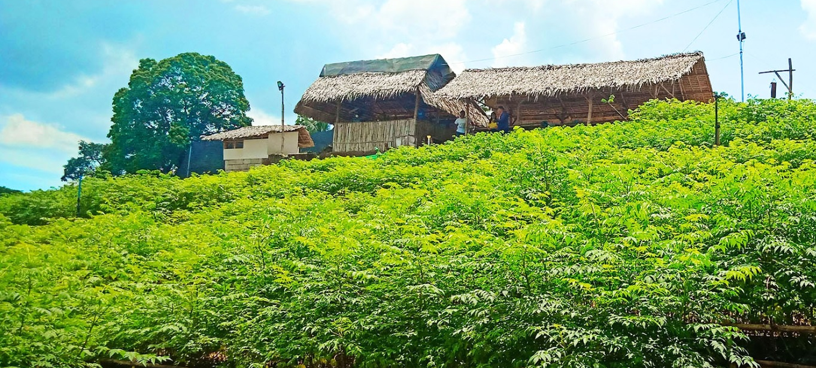
Candlewick offers cleaner and greener alternatives to fossil fuels and contribute to global carbon reduction through fossil fuel substitution.
We focus on supplying woody biomass for power generation using energy crops. Woody biomass can be transformed into clean energy, proving power for industries, residences, businesses and cities. Candlewick produces wood chips as its primary form of woody biomass for energy production.
1,000 hectares of Candlewick reforested plantation land will displace 364,170 tons of CO2 per annum. Additionally, 1,000 metric tons of Candlewick wood chips (50% moisture) will displace 410 tons of coal, equivalent to 885 tons of CO2 per annum
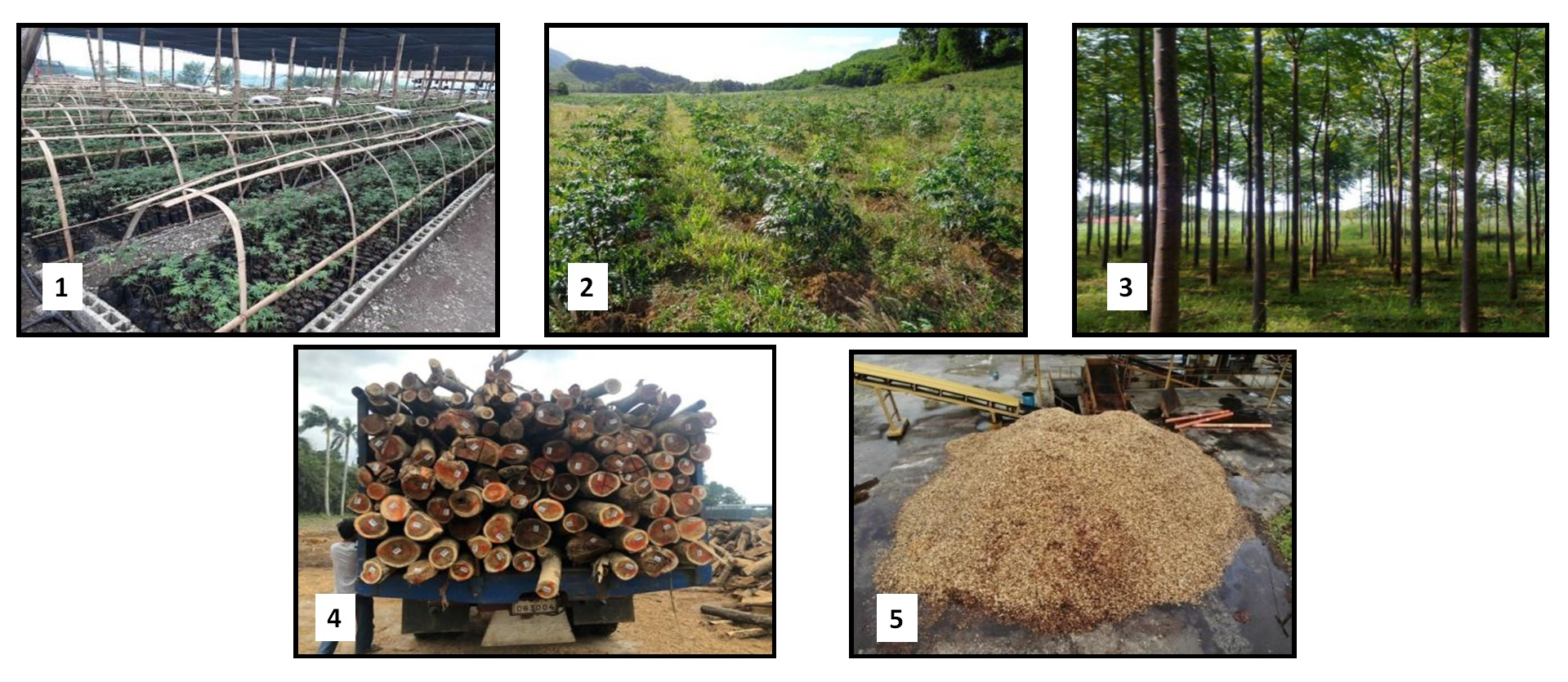
Candlewick delivers sustainable bio-fuels for power generation for domestic and international consumption. Our biomass operations are spread across different locations in in the Philippines. The company has successfully established an integrated value chain for woody biomass fuel supply which it uses to cater to the needs of its local and international customers.
Our expertise cuts across the various stages of woody biomass production from seedling production [1], plantation establishment [2], plantation management [3], and harvesting and processing [4-5] to provide quality renewable woody biomass products and contribute to large-scale carbon reduction via displacement of fossil fuels.
Our Significant Accomplishments
- Candlewick established a Joint Venture Company called “Citicore- Candlewick- Bioenergy Incorporated (“CCBI”)” with the renewable energy arm of the largest publicly- listed construction company in the Philippines – Megawide Construction.
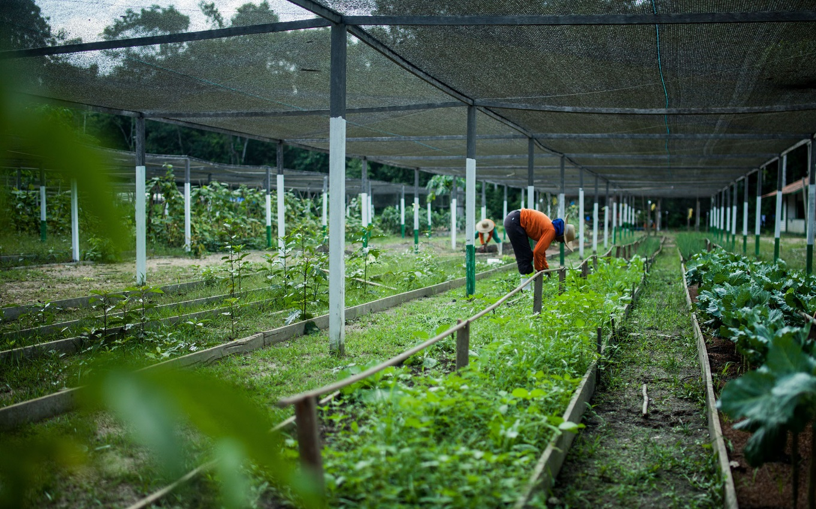
- Candlewick successfully assembled and trained a world-class plantation team of 600 individuals, comprising senior forecasters and plantation managers from individuals from leading multinationals, including Dole and Del Monte, and comprising a majority of women.
- International biomass supply agreement for 16 years to export wood chips to Japan for biomass-fired power generation; 120,000 metric tons/annum = approx. $110 million in revenue.
- Candlewick have a proprietary sapling production process capable of 3 million saplings per annum.
- Land Bank of 30,000 hectares currently with expansion to over 50,000 by 2020.
- Candlewick obtained a committed facility with Development Bank of the Philippines, the development finance arm of the Philippine government to provide $10 million for harvest and processing operations
- Candlewick Biomass division began generating revenue from harvesting & shipping activities in 2019
Transforming Marginal Lands Into Productive Forests
Candlewick specializes in restoring degraded and marginal lands and turning these into productive tree plantations for woody biomass production. Candlewick manages forest plantations under government land tenure instruments with an active land bank of 30,000 hectares as of 2020. This is projected to increase to 50,000 hectares as new land becomes available by 2021.
Current Wood Chip Biomass Off-takers
| Country | Supply Volume | Supply Duration | Revenue |
| Japan | 120,000 metric tons/annum | 16 years | US$ 110 million |
| Philippines | 100,000 metric tons/annum | 5 + 5 years | US$ 61 million |
We use the following tenets when selecting
Our Forestry Projects
Invest
in the large-scale reforestation of degraded lands.
Employ
indigenous people to plant, maintain and harvest.
Process
biomass for sale to energy producers in Japan, Korea, China, and Europe.
Benefit
from the massive growth of biomass demand in Asia and Europe.
Create
an export industry where none existed previously.
Generate
livelihood for impoverished areas.
Rejuvenate
unproductive and degraded land.
Achieve
large-scale carbon reduction via displacement of fossil fuels.
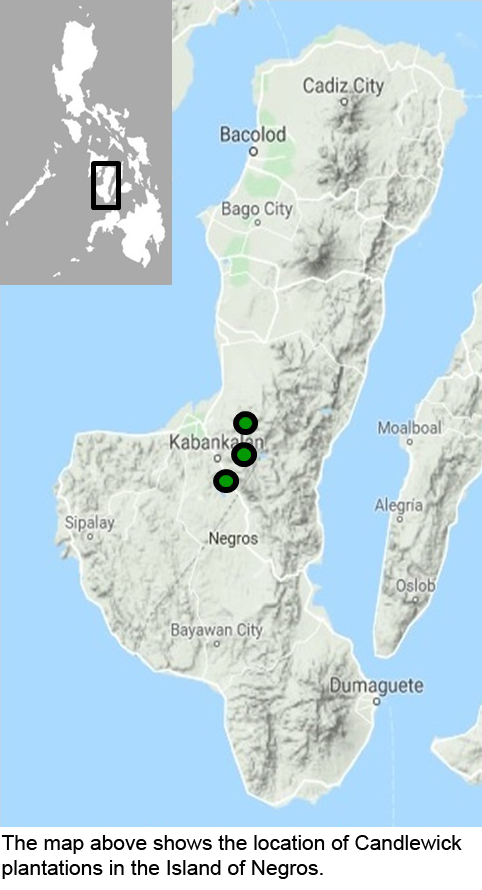
Where We Work
Present and Future Plantation Sites
Sustainability Certification
In order to adhere to international industry standards of quality and global responsibility, Element will secure Forest Stewardship Council (FSC) Certification of both its existing plantations and its ongoing wood processing activities.
Forests managed to the FSC standards offer benefits to both local and wider communities that include cleaner air and water, and a contribution to mitigating the effects of climate change.
Candlewick will have its tree plantations certified under FSC Forest Management Certification while attaining the FSC Chain-of-Custody Certification for the harvesting and processing of its forest products.
Fast Growing Trees for the Growing Global Energy Demand
Candlewick specializes in the establishment and management of tree plantations for woody biomass production. The company uses short-rotation coppice tree species as its primary energy crop while putting a premium on tree species that are able to grow well in marginal lands at the rapid growth rate required to meet the growing global demand for biomass energy
Candlewick Plantations Currently use two keystone species
Melia Dubia
MELIA DUBIA
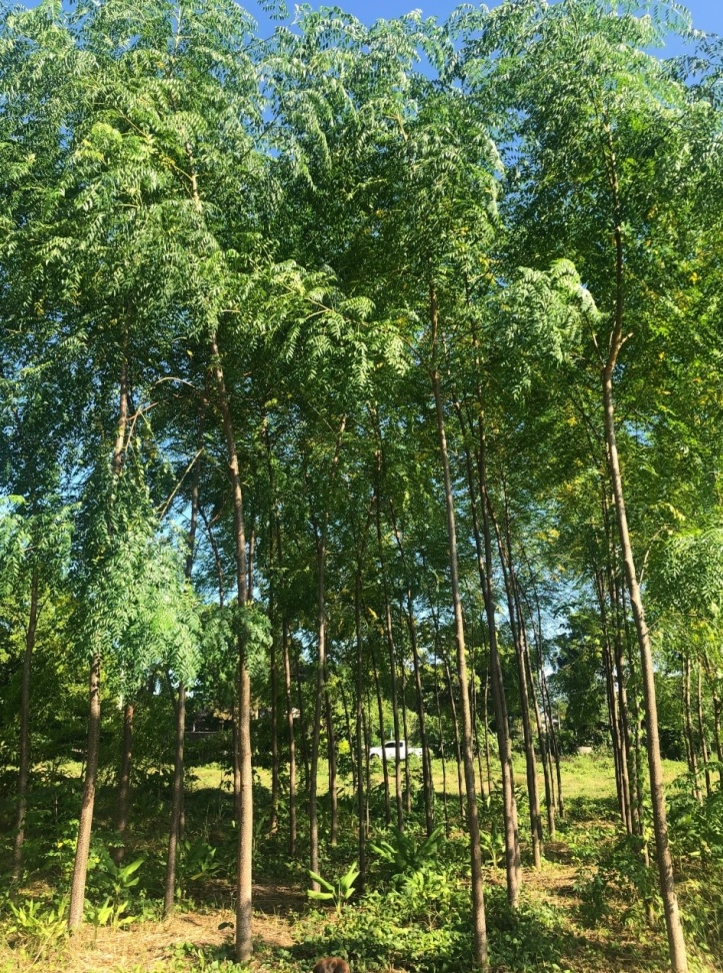
Melia dubia is Candlewick’s primary short-rotation coppice energy crop. Characterized by its high energy values and extremely fast growth rate, M. dubia has been observed to grow 10 meters in height, with a circumference of 40-50 cm after two years from planting. High density planting results in increased yields per hectare. Its unique feature of re-growth from its harvested stub results in three harvesting cycles to be performed before replanting is required. It sheds its branches due to high density which increases the girth growth rate and mulching.
Melia Dubia is best grown in an equatorial and tropical climate with more than 64 inches (1600 mm) of rain per year, spread of 8-9 months. It can be grown under various topographical and soil conditions; however, the crop requires protection from strong winds. M. dubia wood is suitable for pulp, paper, and biomass fuel. At 30 months, the trunk can be used for the production of finger joint sticks. It holds nails very well and is lightweight for use in the construction industry. The wood is also suitable for the production of pallets.
Acacia Mangium
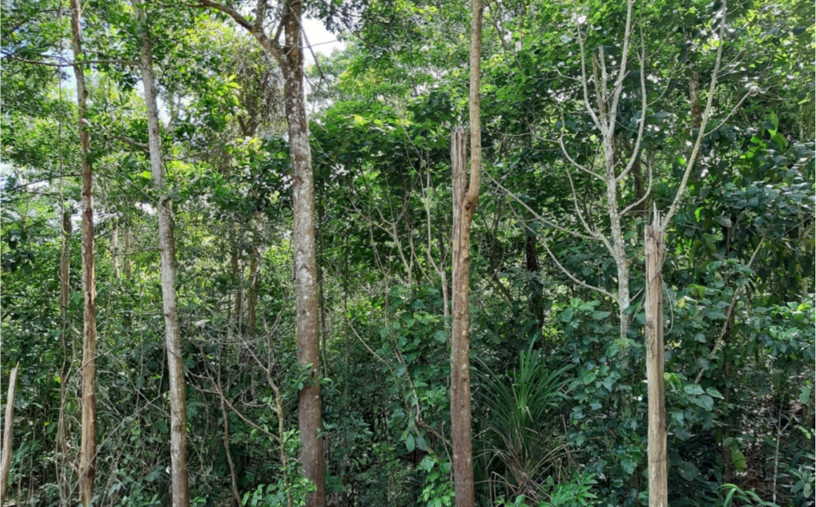
Acacia mangium is a fast-growing tree species known for its ability to thrive even in low-fertility soils. As a legume, the tree captures nitrogen from the air and puts it into the soil, improving soil fertility. Combined with its intensive rooting system, the tree is popular for use in the recovery of degraded tropical lands. A. mangium is widely used in the mining industry for the rehabilitation of waste dumps as it is also a drought-resistant species.
The species is also used for forest plantations. A. mangium wood is suitable for pulp, paper, particle board and crates. It also has potential for sawn timber, moulding, furniture and veneers. As it has a calorific value of 4800–4900 Kcal/ kg, the wood can be used as feedstock for woody biomass. A single seven-year-old tree can grow to a girth of 15-inches and yield over 200 kilograms of woodchips.
If you want to learn more about our biomass and production forests services, or are interested in exploring partnerships with us, please contact us.