Projects

Communities

Life in the Uplands
The Philippines is known for its expansive forests, majestic mountains, and volcanoes. In a mountain range south of the province of Negros Occidental is the location of the CIC communities.
The people residing in the upland areas of operations of CIC mostly belong to Indigenous People (IP) tribes who are ranked among the poorest and most disadvantaged sectors.
The life of the IPs in the uplands is extreme: there is scarcity, yet there is also abundance. They have limited access to electricity, but they have a plentiful source of natural spring water. They have limited access to food and health care, but they have longer life spans compared to urban dwellers. They do not have modern infrastructure and conveniences, but they have the most beautiful natural landscapes. And in spite of poverty, the IPs are very giving and unselfish.
That is the reality of the IPs in the upland communities at the start of CIC’s operations. CIC aims to improve the lives of these communities in need. CIC is focused on providing positive contributions and changes in the communities.
Community Engagement
CIC works closely with the communities to sustain a large-scale forest management operation. The communities play a vital role in the protection and conservation of the forests, thus, CIC is committed to providing development and livelihood support to the communities.
CIC aims for engaged communities where their needs, concerns, and aspirations are incorporated with the company’s plans and programs.
CIC engages the communities by giving them meaningful roles in the discussions, planning, and implementation of projects involving them.
To make positive changes in the lives of the upland communities, an effective and well-implemented community engagement is important.
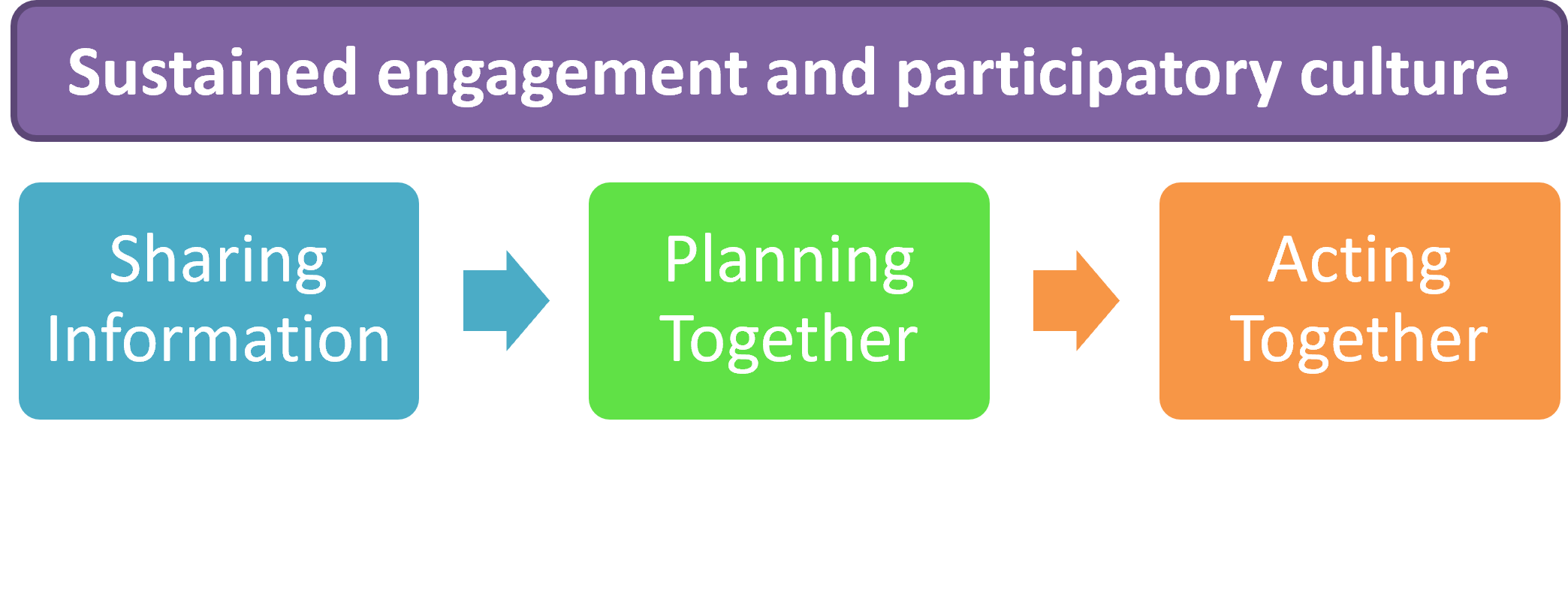
CIC follows a 3-phase Community Engagement approach:
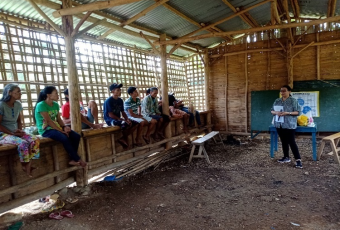
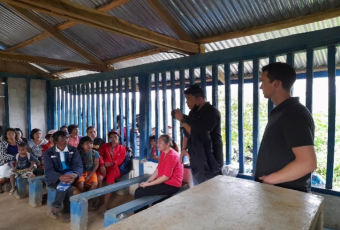
Community Consultations
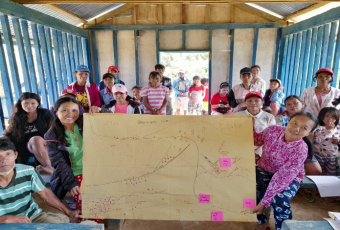
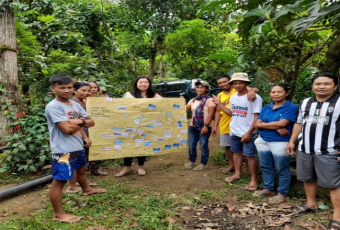
Participatory Mapping Session
Communication and Sharing Information
Effective communication is a key factor in maintaining a smooth and healthy relationship with the communities. CIC creates opportunities to gather the communities and talk about what matters to them, and then work together to successfully effect positive changes.
Communication is hard to facilitate in the upland areas of the Municipalities of Isabela and Binalbagan, and city of Himamaylan. Most of the areas do not have access to electricity and mobile communication, so there is a need to break down the communication barriers and look for ways to be more reachable and accessible. What works for CIC is a consistent physical presence and face time to directly communicate with the communities.
CIC shares and receives accurate, timely, and relevant information to and from the communities. CIC seeks to get a good grasp of the communities’ history, culture, context, and concerns. Communication flows both ways in a participatory and consultative form. CIC has systems in place for the communities’ to be able to freely share their ideas and concerns. The communities can participate and share their inputs during consultations, forums, mapping sessions, and information campaigns. Information from CIC assists the communities in understanding the company’s purpose and intentions. Information from the communities helps CIC in making better and more informed decisions.
CIC makes every effort to maintain a well-organized communication system with the communities and stakeholders.
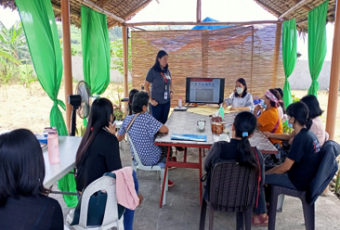
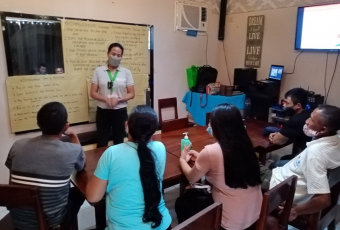
Planning and Assessment with People’s Organization
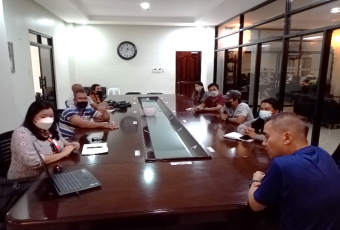
Meeting with Himamaylan City Mayor Raymund Tongson
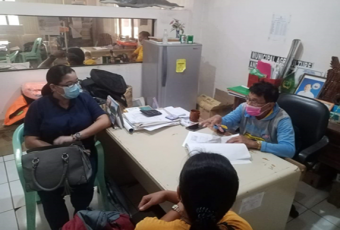
Meeting with Binalbagan Agriculture Department Head, Cesar Gayem
Planning Together
CIC practices a multi-sectoral participatory approach in the assessment and planning with the communities. An in-depth assessment of the communities’ social and economic activities, and careful and inclusive planning are done to ensure that the programs have a clearly defined purpose in addressing the needs of the communities.
The organized people’s organizations represent the communities during the assessment and planning sessions. With the aid of some planning and assessment tools, CIC helps the people’s organizations identify their strengths and challenges, set their goals and vision, and formulate a plan to achieve their goals. This becomes the basis for the interventions and livelihood projects of CIC in line with its goal to improve the lives of the communities.
CIC includes the stakeholders from the local government units, government and private agencies, and academe in the assessment and planning sessions to gain a better understanding of the community needs and resources and to collaborate with them for valuable inputs, expertise, and learning opportunities. The participation and support of the stakeholders contribute to the quality and legitimacy of the final design of the interventions and projects for the communities. The participatory efforts from different sectors help CIC in coming up with the best plans for the communities.
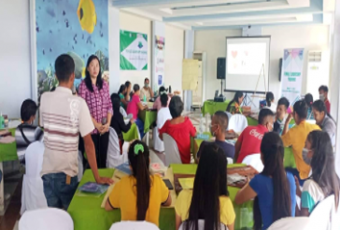
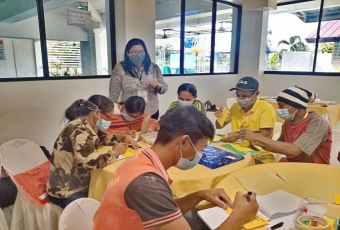
Capacity Building
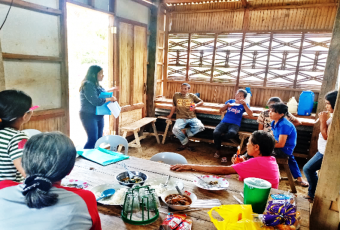
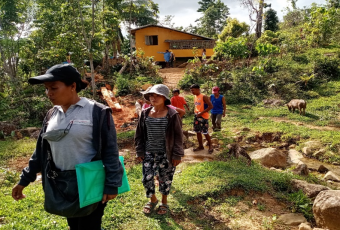
Advisory Mission
Acting Together
In the third phase of community engagement, the interventions and livelihood projects are implemented. The interventions such as capacity building, advisory missions, and educational exchanges are carried out by CIC in partnership with stakeholders. The elements and inputs to start the livelihood projects are provided by CIC and the stakeholders.
The implementation of the projects is done through community integration wherein CIC and the communities work tightly together to develop, manage, and evaluate the projects. There is joint learning and management of the projects which leads to new, transformational outcomes.
Strong coordination among all parties involved is key to the success of the interventions and projects which will help towards uplifting the lives of the upland communities.
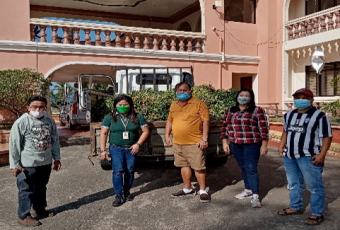
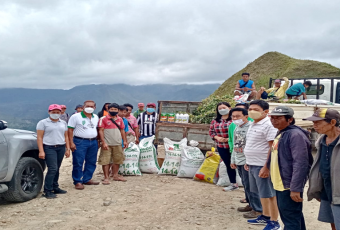
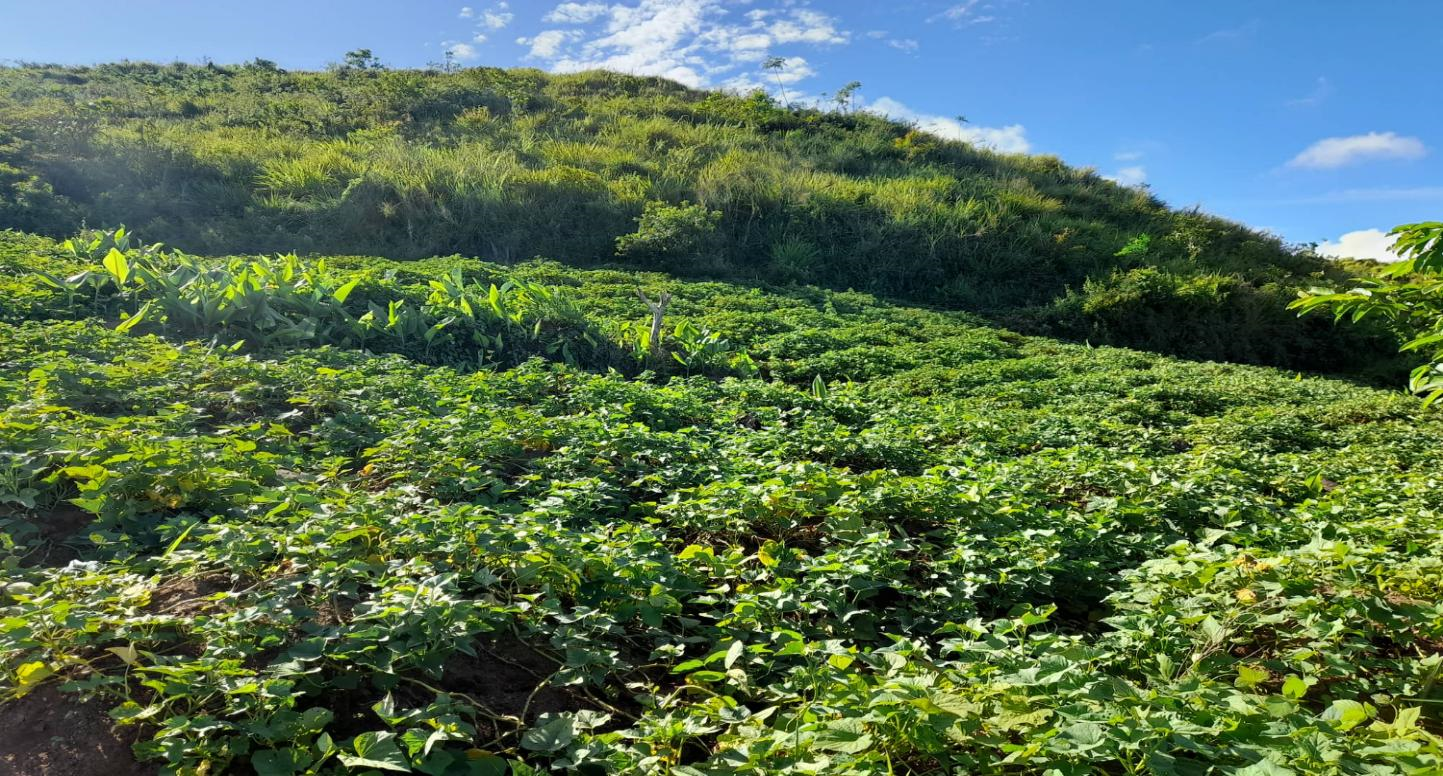
Turn-over of Sweet Potato Plantation inputs from the local government unit of Binalbagan
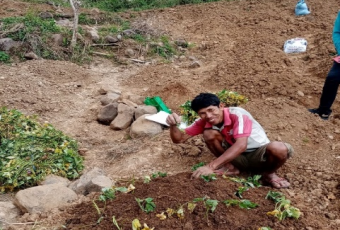
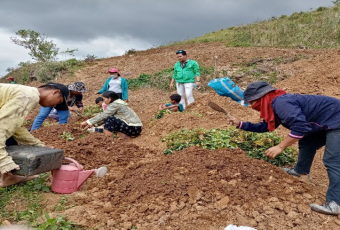
Establishment of Sweet Potato Plantation
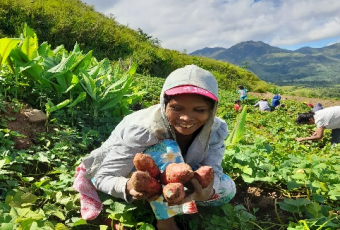
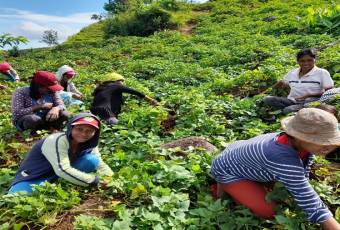
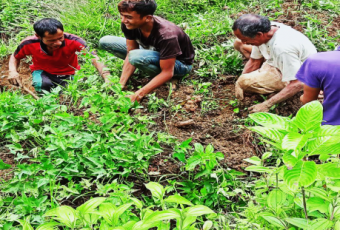
First Harvest of Sweet Potato
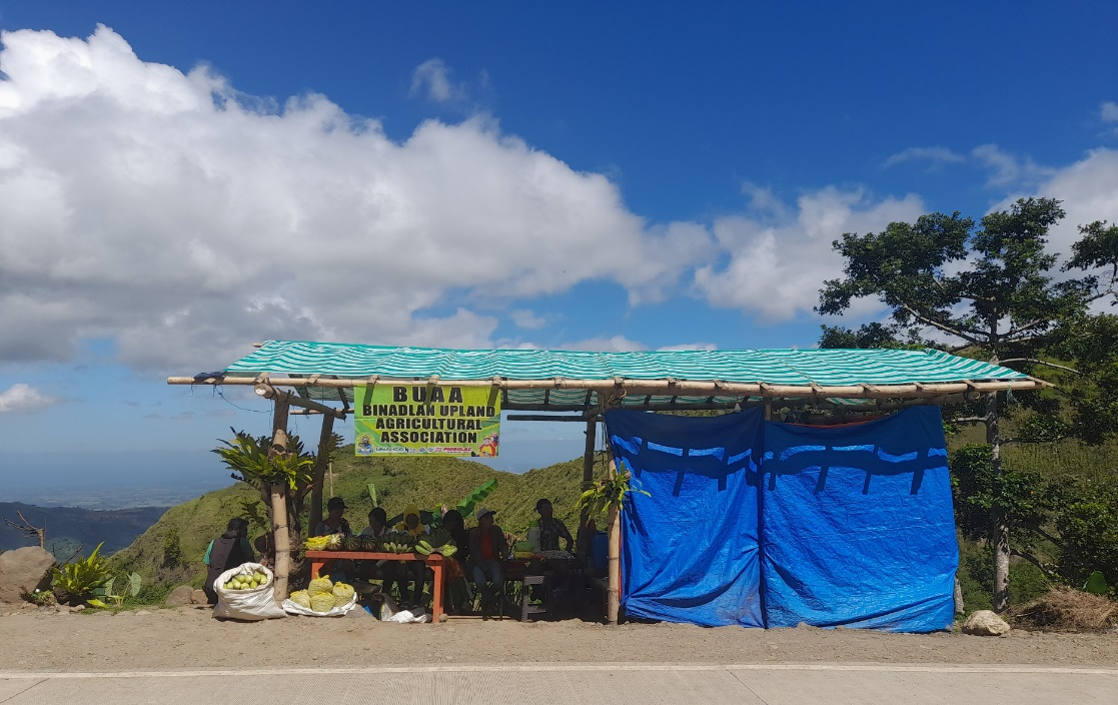
First Merchandising Store of the local people’s organization at Binalbagan

Sustained Engagement and Participatory Culture
Successful and sustained engagement with various communities can be difficult and challenging, yet CIC is able to achieve it with inclusive planning, active collaboration, transparency, and clear communication.
CIC is committed to its vision of a thriving community, and its strategies and actions are carefully implemented and evaluated for effectiveness and sustainability.
For CIC, a thriving community is the best partner for a cleaner and greener future.
If you want to learn more about our biomass and production forests services, or are interested in exploring partnerships with us, please contact us.